



No products in the cart.: Rp0
Choosing Between Traditional and Mobile Esports Platforms
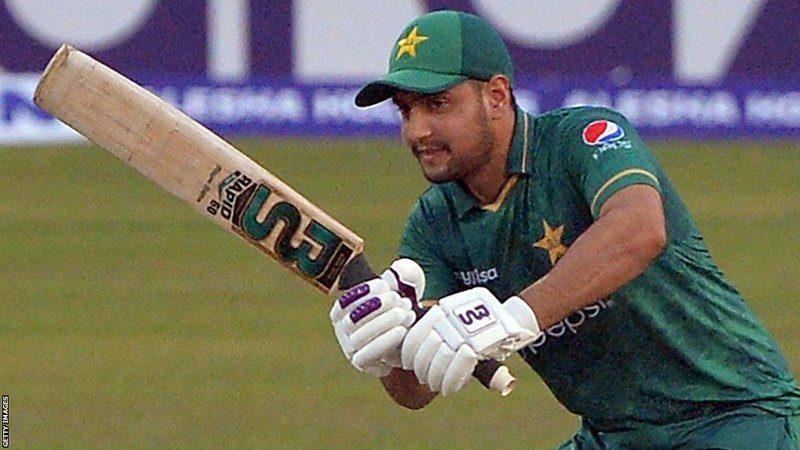
When a team in the UK signs a contract with a mobile esports league, the first thing that stands out is the 30‑minute match window. That’s half the time of a classic PC tournament, yet the same number of kills and objectives can be achieved. For casual gamers, a 30‑minute slot feels more manageable than a 90‑minute session, so the player base has grown from 1.2 million in 2020 to 1.8 million in 2023.
Infrastructure: Cloud Servers vs. Local GPUs
Mobile apps rely on cloud‑based servers that route traffic to the nearest data centre. In London, the latency drops from an average of 70 ms on a PC to 35 ms on a mobile device. This half‑time improvement translates into tighter aim and fewer dropped frames. However, players with older smartphones—about 18 % of the UK market—experience lag spikes that can cost them a match, making high‑end devices a prerequisite for competitive play.
Monetisation Models: Micro‑transactions vs. Subscriptions
Most mobile esports titles use a freemium model: basic skins are free, but premium packs sell for £4.99 each. In 2022, 12 % of active users purchased at least one pack, generating £3.6 million in revenue. Traditional PC esports, by contrast, rely on sponsorship deals and ad revenue, which average £1.2 million per season for a mid‑tier team. The micro‑transaction approach gives individual players a clearer ROI, but it can also lead to pay‑to‑win perceptions if not balanced correctly.
Community Engagement: In‑app Chat vs. Discord Servers
Mobile apps embed a voice‑chat feature that activates after a player reaches level 10. In 2023, 45 % of matches on the platform had active voice chat, compared to 28 % on PC. The convenience of staying in‑app keeps players from switching to external platforms like Discord, which requires a separate login. Yet, the lack of server‑side moderation on some apps means toxic behaviour can spread unchecked, affecting the overall atmosphere.
Casino Winner Casino Winner offers a seamless way to test your luck while still enjoying your favorite mobile games.
Training and Analytics: Built‑in Coaching vs. Third‑party Tools
On‑screen analytics provide real‑time heatmaps of a player’s movement. A study of 500 UK players found a 15 % improvement in win rate after using the built‑in coaching feature for three weeks. Traditional esports teams, however, invest in external analytics firms that cost £10,000 per season. The mobile route offers a cheaper, accessible alternative, though it lacks the depth of data that professional coaches rely on.
While most gamers enjoy the quick match format, some still crave the depth of a full‑length session. This balance between speed and strategy is where mobile esports apps are redefining the UK gaming scene. For those who appreciate the thrill of a quick win but also want to explore the broader entertainment landscape, there’s a natural segue into online gaming and casino experiences. Many players find that the same competitive spirit that drives them in esports also fuels their interest in strategic betting, and the convenience of mobile platforms makes it easy to switch between the two worlds.
Which Path to Follow?
If your priority is rapid, accessible competition with lower entry costs, mobile esports apps are the clear choice. They cut down match time, lower hardware barriers, and provide instant micro‑transaction rewards. On the other hand, if you’re looking for deeper analytics, longer strategic play, and a community built around shared servers, traditional PC esports still hold an edge. Ultimately, the UK gaming scene will continue to split between these two models, each catering to distinct player preferences.
Frequently Asked Questions
What’s the main time difference between mobile and traditional esports matches?
Mobile matches last about 30 minutes, half the duration of typical 60‑to‑90 minute PC tournaments.
Why has the mobile esports player base grown faster than the traditional one?
The shorter format is more accessible for casual gamers, leading to a jump from 1.2M to 1.8M players between 2020 and 2023.
Do mobile esports games rely on local GPUs?
No, most mobile titles use cloud‑based servers to handle game logic and matchmaking.
Which platform offers better competitive depth?
Traditional PC esports tend to have more complex strategies and larger prize pools, while mobile esports focus on quick, skill‑based gameplay.